Autumn Term B - Year 3/4 - Riotous Royalty
Imagine that the crown jewels have been stolen and write a newspaper article describing this.
Autumn Term B - Year 5/6 - Stone Age to Iron Age

What would Bear Grylls do? Write an invitation for the famous survival expert. Explain the skills that he will need to survive in the Stone Age for the day.
Spring Term B - Year 3/4 - Romans

Research Roman mosaics, record five facts and then design and create your own mosaic pattern or picture.
Spring Term B - Leisure & Entertainment
Find out what Motown is, who the Motown artists were and create a poster.
Summer Term B - World War 2 - Y3/4
This term we will be studying WWII and finding out what life was like during the war.
See if you can research one of the following topics and create a fact file:
- What was school like during WWII?
- What was rationing?
- Which countries were involved?
Summer Term B - Year 5/6 - Maya Civilisation

This term we will be finding out about the ancient Maya Civilisation. Research, design and create your own Maya Mask. This could be a drawing of a mask or an actual mask you could wear!
Autumn Term A - Year 3/4 - Crime and Punishment

Y3/4 students will be finding out about Crime and Punishment through the ages so why not find out about when the first police officers were introduced; find out what they did to help with preventing crime and what they looked like.
Write a letter to Queen Victoria to end public executions and give good reasons for your argument.
Autumn Term A - Year 5/6 - Ancient Greece

Y5/6 students are finding out about life in Ancient Greece so why not find out about homes, food, fashion, leisure and employment? What was it like to be a ten-year-old living in Ancient Greece?
Research and record the modern-day country of Greece.
Spring Term A - Year 3/4 - Anglo Saxons & Scots

Read or listen to the Anglo-Saxon epic poem Beowulf and draw a picture of what you think the Grendel looks like.
Spring Term A - Year 5/6 - Vikings & Anglo-Saxons

Create a Guide to Viking Gods. This can be in the format of a poster, booklet or PowerPoint.
Summer Term A - Ancient Egypt - Y3/4

Research modern Egypt: find out key facts about how people live there now.
Summer Term A - Carlisle Castle - Y5/6

Research the history of Carlisle Castle. Create a book or PowerPoint or piece of art that can be shared with your class.
Autumn Term B - Year 3/4 - Water

Water Use survey: Data collection activity. Keep a tally of water use activities in your household over one week. Create a table and use this information to consider where the most water is used and how you might cut down water consumption.
Autumn Term B - Year 5/6 - Raging Rivers

We will be learning all about the worlds rivers and their features. Can you research a local river and find out its features?
Spring Term B - Year 3/4 - Rainforests

Design a rainforest creature, thinking about where it might live, its diet and whether it has any predators.
Spring Term B - Year 5/6 - Amazing Americas

Creatures of North America: Research an animal indigenous to a region of North America and prepare a fact file about it.
Summer Term B - Year 3/4 - Extreme Earth

We will be finding out about extreme weather and different climates. Write a fictional diary entry of someone experiencing extreme weather!
Summer Term B - Our Changing World - Y5/6

Google a photograph of your town or village as a stimulus.
Then sketch the place now to show how it has changed over time.
Autumn Term A - Year 3/4 - Land Use

Research how land is used in your local area.
Autumn Term A - Marvellous Maps - Y5/6

Use Google Maps to find your house and chart your journey to school.
Spring Term A - The UK - Y3/4
Research the sign, symbol or flag of the four countries of the UK. Why has it been chosen? What does each part represent?
Spring Term A - Magnificent Mountains - Y5/6

Create a fact file on the world's highest mountains.
Summer Term A - All Around the World - Y3/4
Find out more about the links you and your family have with others around the world. Talk to adults at home to find out places they have visited on holiday or for work, places adults may have business links with, or friends living… the more obscure the link, the better.
Summer Term A - Exploring Eastern Europe - Y5/6
Research the history and design features of Fabergé Eggs.
Year B Autumn Term - Year 3/4 - Fruit and Vegetables

Try using a pencil to complete a fruit or vegetable drawing at home. What difference does this make in terms of the overall style of the drawing?
Draw your own vegetable portrait in the style of Arcimboldo's 'The Gardener'.
Draw an advertising poster to attract visitors to Carl Warner's exhibition of 'Foodscapes'.
Design a picture about your life at school, using only objects found in the classroom e.g. pencils, rulers.
Freeze frame 'Nativity with St Francis and St Lawrence' (1609) by Caravaggio.
Create a storyboard telling the life of Caravaggio.
Year B Autumn Term - Year 5/6 - South and Central American Art

Design a brightly coloured coat for Frida to wear.
Write a story using no words, just symbols.
Create a noughts and crosses style game, using symbols found in some of Joaquin Torres Garcia's paintings.
Find key information about Mexico e.g. flag, capital city, head of the country, famous exports, food, clothes, famous people.
Find out more about the use of dream catchers in Native American culture.
Design face painting and a costume to match their candombe drums, ready for a festival.
Year B Spring Term - Year 3/4 - Collage

Create a collage of a landscape scene.
Year B Spring Term - Year 5/6 Prehistoric Art

Have a look online at some tips for 'how to draw prehistoric art for kids'. Can you follow the instructions to help you to create your own art?
Year B Summer Term - Year 3/4 - Insects

In our sketch books this term we will be studying the different features of insects and using different media to show them up-close. At home, have a go at sketching a real-life image of an insect.
Year B Summer Term - Year 5/6 - Georgia O'Keefe: Plants & Flowers

We will be using our artistic eye to create still life images of plants and flowers in the style of Georgia O'Keefe. On a walk, see how many different types of plants and flowers you can spot!
Year A Autumn Term - Year 3/4 - Artist

Research Kandinsky and create a fact file all about his life and career.
Can you create some artwork in the style of Kandinsky?
Year A Autumn Term - Year 5/6 - Artist

Research Picasso and create a fact file all about his life and career.
Can you create some artwork in the style of Picasso?
Year A Spring Term - Year 3/4 - Global Landscapes

Can you find any 'contemporary' landscapes by artists? What mediums have been used?
Year A Spring Term - Year 5/6 - Amazing Architecture

Can you find out what 'Listed' buildings are?
Can you find pictures of any listed buildings in the Upper Eden area?
Year A Summer Term - Year 3/4 - Mod Rock Facemasks

Can you design and make a mod roc sarcophagus and mummy?
Year A Summer Term - Year 5/6 - Eastern European Art

Can you find any 'contemporary' Eastern European art?
Who are the artists and what mediums have been used?
Year B Autumn Term - Year 3/4 - Textiles: Cushions

Learn How to Hand Stitch
Running stitch, back stitch, blanket stitch - all of these different hand stitching methods are essential when learning how to sew. A great way to introduce kids to sewing is to give them a piece of scrap fabric, and a needle and thread and get them to practice sewing by doing lots of lines of stitching. Let your child pick their favourite piece of fabric and have them choose whatever colour thread they want (it's best to use avoid patterned fabric, and to use thread that is a different colour to the material, so you can properly see the stitch). Kids can pick up and put down this project whenever they like, sewing for 5 minutes at a time or dedicating hours to the activity.
Follow this guide on the Sew Guide website, which has easy to follow explanations for the nine most important hand-stitches. This is a great resource for parents who don't sew - or who need a refresher - as it even covers how to properly knot the thread before starting, and the instructions are well illustrated with photos. At the end of the project, kids will have learned nine of the most useful hand-stitches, and will have a piece of fabric that is decorated with their hand sewing
Year B Autumn Term - Year 5/6 - Textiles: Felt Phone Cases

Year 5 and 6 are making some felt phone cases in school as part of their DT project this term.
Children complete some felt crafts at home. Children will be developing their early sewing skills. Follow the link:
https://www.activityvillage.co.uk/felt-crafts
Children can complete any of the felt crafts.
Year B Spring Term - Year 3/4 - Roman Structures

What structures did the Romans build? What three types of architecture were used in Roman architecture? There are dozens of Roman Ruins in Britain and they are dotted around the country from Scotland to Wales. Can you find the names of any of these and research them?
Year B Spring Term - Year 5/6 - Fairground Structures

Design a structure for a ferris wheel - How could you make the wheel?
How could you make the base of the ferris wheel?
What materials would you need?
Year B Spring Term - Year 5/6 - Structures
During this half-term, we are looking at designing and making structures. Cross-curricular links have been made to the 'History' topic of Vikings. We are going to keep with the theme of Vikings and Structures. Your classroom task is to design and make a Viking Longship. Your homework task is to design and make a 'Viking Helmet'.
Click on the link below to find out a little more about Viking helmets.
Research what Viking helmets were like. Were they as you had imagined or as they have been depicted in fictional books, films or the television? The pdf below is an example of how to make a Viking helmet. You could either use these ideas or come up with your own designs. Can you select and use a wider range of tools and equipment to perform practical tasks such as: cutting, shaping, joining and finishing?
Year A Autumn Term - Year 3/4 - Torches

Can you make a list of reasons why we might use a torch?
Can you find out how different torches might be powered?
Year A Autumn Term - Year 5/6 - Moving Toys

Can you find examples of moving toys that use 'linear' and/or rotary motion?
Year A Spring Term - Year 3/4 - Cooking: Biscuits

During this half-term, we are looking at designing and making biscuits. We are going to keep with the theme of biscuits. Your classroom task is to design and make a biscuit. Your homework task is to design and make a 'cake' with a rainbow theme.
Consider the skills that you have been developing through your classwork task and apply these to the making of your cake.
With adult supervision, why not have a go at making a cake? Continue to develop your use of a range of tools and equipment safely, appropriately and accurately. Think about what you have learnt about food hygiene.
Year A Spring Term - Year 5/6 - Cooking: Seasonal Foods

Can you design a 3-course meal made up of foods from a chosen season.
For an extra challenge: consider the 'EatWell' plate when planning your courses!
Year A Summer Term - Year 3/4 - Sustainable Gift

Can you design a poster to promote the 3Rs: Reduce, Reuse, Recycle?
Give examples of how items/materials can be Reduced, Reused and Recycled.
Year A Summer Term - Year 5/6 - Bridges

What famous bridges can you find? Write a fact sheet about one of them.
Can you build a bridge from Lego or other construction kits?

Year B Summer Term - Year 3/4 - A Royal Garden Party

We will talk about what we expect from our Royal Garden Party to celebrate The Queens Platinum Jubilee. Once we have researched and planned this, we will make, cook and bake some food for the school to share. Why not make a shopping list of the ingredients you might need.
Year B Summer Term - Year 5/6 - Nutritional Food

We will be finding out what foods create a balanced diet and which foods we need to include to make sure we have nutrition in our diet. Which foods can you think of that are good for you? Create a menu with nutrition in mind.
Challenges

- Walk or run 5km
- Complete a Joe Wicks exercise session
- Complete a yoga session
- Create a sports quiz for your family
- Go swimming with your family
Athletics, Dance & Swimming

Take advantage of the lovely weather and go outdoors to do some athletics and sports. Try and go swimming to develop the skills we are learning in school swimming sessions. Spend some time outdoors practicing your running, jumping, hopping and skipping skills
Yoga

Complete a kids yoga video online

Think about influential Black athletes, including people from a range of sports.
Research and create a Fact File/PowerPoint about a significant sports figure and their contributions
Year 5/6 Gymnastics
* Can you choreograph and perform your own sequence using a variety of moves? Try to include different jumps, leaps, rolls, twists and turns and link your ideas creatively. Practice it until your are happy to record your performance. Consider your start and finish position.
Have you included different:
Pathways: zig-zag, straight or diagonal - good use of all of the space available
Levels: high, medium and low
Points and Patches: balancing on a variety of large and small body parts
Base: wide/narrow
* Use the skills that you have developed and introduce a piece of equipment to your routine. Why not include something like a ball, hoop, pair of socks, cushion etc.
* Choose one of your favourite types of rolls and create your own 'How to perform a _______ roll' guide to share with the rest of the class. This could take the form of written instructions, poster or a video guide. You can include photographs, videos, diagrams or sketches to help you describe how to perform the roll successfully.
Year 3/4 Gymnastics
During this term you will be developing your gymnastics skills. You will have the opportunity to develop shapes through BALANCE. Along with refining key gymnastic elements, consider building sequences, perfecting and selecting transitions.
* Can you develop your sequence further by applying it to music? Choose your piece of music carefully. Ideally, it should not have any lyrics so select an instrumental version only. When you have a choreographed a routine, practice it until your are happy to record your performance. Consider your start and finish position. Have you included different:
Pathways: zig-zag, straight or diagonal - good use of all of the space available
Levels: high, medium and low
Points and Patches: balancing on a variety of large and small body parts
Base: wide/narrow
* Use the skills that you have developed and introduce a piece of equipment to your routine. Why not include something like a ball, hoop, pair of socks, cushion etc.
* If you have someone at home who would be willing to partner up with you - try to create a sequence that involves more than one person.
Year A Autumn Term - Year 3/4 - Photo Editing
Year 3 and 4 will be learning about photo editing in Computing this half term.

Some ideas for activities at home:
- Discuss how to keep safe online
- Look at technology in your home - what is necessary or unnecessary - it is used in the correct way?
- Take some photos on a smart phone/camera - can you use an app to edit your photo? Crop/change colour/rotate etc.
Year A Autumn Term - Year 5/6 - Video Editing
Year 5 and 6 will be learning about video editing in Computing this half term.

Some ideas for activities at home:
- Discuss how to keep safe online
- Look at technology in your home - what is necessary or unnecessary - it is used in the correct way?
- Take some videos on a smart phone/camera - can you use an app to edit your video? Think about angles, zoom, length etc.
Year A Spring Term - Year 3/4 - Internet and Emails

Create an information sheet for 'an alien' explaining what the internet is. Visit some child friendly site e.g. BBC Newsround to look at what features are found on a website.
Year A Spring Term - Year 5/6 - Search Engines

Create your own fact file on a theme of your choice.
Use a search engine to find more information about you chosen subject.
Year A Summer Term - Year 3/4 - Comic Creator

Using comic creator, create your own comic strip.
Year A Summer Term - Year 5/6 - Webpage Design

Using publisher / powerpoint create your own webpage based on your own theme e.g. an animal, school, music.
Look at how well your webpage would do if web crawlers were ranking your page.
Year B Autumn Term - Year 3/4 - Audio Editing

Using a device at home, create your own podcast.
Year B Autumn Term - Year 5/6 - Vector Drawing

Use Google Drawing to create your own graphic drawing.
Year B Spring Term - Year 3/4 - Publisher Skills

Use any desktop publishing application to make a leaflet or brochure about somewhere you have visited using text boxes and images.
Year B Spring Term - Year 5/6 - Spreadsheets

Create your own spreadsheet for a sports league - this would be for a professional sport, local sport or completely fictional table. Create your own data and plan the layout in a new blank file. Explore the features of your spreadsheet application e.g. creating graphs or interpreting your data.
Year B Spring Term - All KS2 - Coding
Can you program a sprite to make them move?
Can you add extra detail to your work?
Can you create a background?
Can you give a good clear set of instructions?
Can you set or change the variable on a game?
Download software such as Scratch2 https://scratch.mit.edu/download/scratch2

Year B Summer Term - Year 3/4 - Data Repition, Lego

We will be using new software to explore data input and repeating instructions through Lego. At home, create a written code for a Lego model - this could be for a character or vehicle to move, or an object to open/close etc.
Year B Summer Term - Year 5/6 - Flat file Database

This term we look at how a flat-file database can be used to organise data in records. We will use tools within a database to order and answer questions about data. We will create graphs and charts from our data to help solve problems. Choose something simple to create a database for - for example the colour of cars which pass your home - create a record in a table.
Year 3/4 Living things (Biology)
Plants
Learn the names of fruit and vegetables. Which part of the plant are you eating - the root, the flower, the stem or the leaves?
Dissect a plant and observe all the different parts.
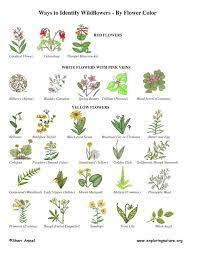
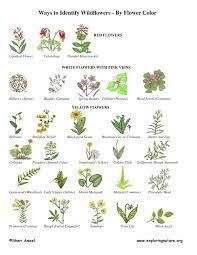
Learn to recognise and name some plants e.g. buttercup, forget-me-nots, daisies, Ivy, Oak trees etc.
Visit Durham Botanical Gardens.
Rocks
Walk around your village - look at all the ways rocks are used e.g. walls, roads, gravel in gardens.
Which rocks are in your home? Look at work tops, fireplaces, chopping boards, jewellery.
Research different types of rock e.g. marble, granite, sandstone.
Visit Whitescar Caves or the limestone pavements at Malham.
Animals
Learn about different animals, where they live and what they eat. Visit a zoo such as South Lakes Safari Park.
Humans
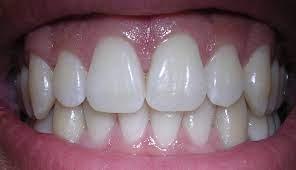
Teeth - look at your teeth. Look at the shapeof them and think about what you do with your front teeth and what you do with your back teeth. Look at any teeth you see on animal skeletons.
Ask questions when you visit the dentist!
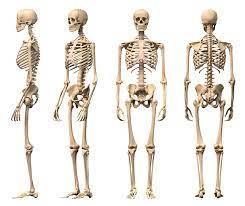
Skeletons - look at the skeletons of animals - perhaps visit a museum such as Manchester Museum or Kendal.
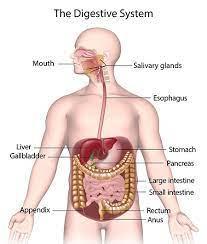
Digestive system - make a digestive system out of playdough.
Year 5/6 Living things (Biology)
Plants
Learn about plant reproduction
https://www.youtube.com/watch?v=K0SNi5yCtvU
https://www.youtube.com/watch?v=W9OiGA5_mVs
Go on a seed hunt in your village - how will the seeds be spread?
Learn the names of as many plants as possible.
Visit Durham Botanical Gardens.
Humans
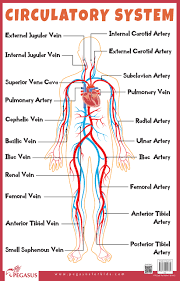
Learn all about the circulatory system. https://kidshealth.org/en/kids/heart.html
Learn about living a healthy lifestyle and try to make improvements to you own by eating a healthier diet or taking more exercise.
https://www.healthforkids.co.uk/staying-healthy/eating-healthily/
Animals
Visit the Jurassic coast in Dorset and go fossil hunting.
Visit a museum and learn about fossils and evolution. The museum at Manchester is very good and free.
https://www.visitmanchester.com/things-to-see-and-do/manchester-museum-p85711
Year 3/4 Forces (Physics)
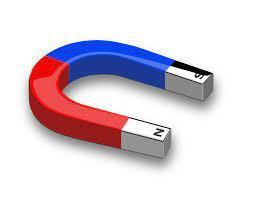
Look for how magnets are used in your home e.g. the fridge door, everything that contains a motor, games, purse fastenings etc.
Learn how to map read with a compass.
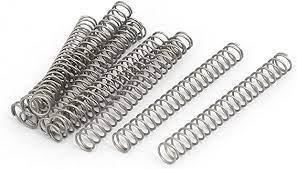
Look at where springs are used in your home e.g. mattresses, trampolines, pens etc.
Visit Life Museum in Newcastle.
Year 5/6 Forces (Physics)
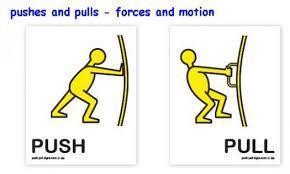
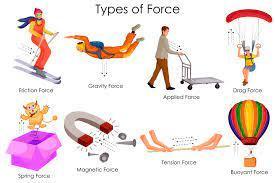
Research gravity, air resistance, upthrust, pulleys, gears, and friction. Watch sport on television/online and look at how the athletes make themselves more streamline - observe their position and the equipment they use. Watching winter sports is very useful e.g. tobogganing and skiing. The less friction there is, the faster the person will travel.
Visit Life in Newcastle.
Year 3/4/5/6 Sound (Physics)
Go on a 'sound walk' and write down all the sounds you hear. Try sitting in different places and listening e.g. a field and a town. Try to identify if they are high-pitched sounds or low-pitched sounds.
What sounds help keep us safe? Think about sirens, road crossings, fire alarms, carbon monoxide detectors etc.
Make a 'cup telephone' using string and two plastic cups. How do they make the sound louder when you talk to someone?
See how far away you can hear different sounds. Can you hear high-pitched sounds further away than low-pitched sounds?

Year 3/4 Light (Physics)
Look for transparent, translucent and opaque objects in your home.
Look at labelling on sun creams and sunglasses in shops.
Look at yourself in concave and convex mirrors (front and back of a spoon) - how do you look different?
Look at shadows. Put an object in you garden and watch how its shadow moves and changes length during the day.

Year 5/6 Light (Physics)
Learn about the parts of the eye at https://kidshealth.org/en/kids/eyes.html
Use a mirror to redirect light onto a target.
Learn how to send messages by flashing lights. https://mysteryscience.com/light/mystery-5/light-communication-engineering/131
Year 3/4/5/6 Earth and Space (Physics)
Explore these websites:
https://nineplanets.org/
https://www.nasa.gov/
https://www.esa.int/kids/en/learn
Make a model of the solar system with play dough.
Create a book about space.
Year 3/4/5/6 Materials (Chemistry)
Think about physical and chemical chemical changes in your home. Physical changes are reversible (you can get back what you started with). They include water becoming ice when it is cooled below zero degrees, water becoming water vapour when it warms e.g. in a kettle, sugar dissolving in hot drinks, melting and freezing. Chemical changes are irreversible (you can not get back what you started with). They include: making toast from bread, making jelly, cooking food, burning logs on a fire and boiling eggs.
Look at what things are made of. Do you know how that product is made and where it is made in the world. Do some research. How is plastic made? Where does rubber come from? How many pieces of paper can be made from a tree? Ask questions.
Make things using lots of different materials - paper, clay, Hamma beads, aqua beads, Shrinkies, plaster of paris, wood, metal ...
Watch 'How it's made' on TV. It's all about how different things are manufactured. 'Food Unwrapped' is another programme which tells you more about where your food comes from.
Look for sieves and filters in your life - what do they do? Try using them.
Year 5/6 Electricity (Physics)
- Practice drawing circuit diagrams using the correct symbols.
- Look at any instruction booklets that came with electrical objects in your home. Can you find any circuit diagrams?
- Ask an adult to show you the inside of a plug or even better cut one off an old appliance – learn how to wire it and change the fuse.
- Look at your fuse box with an adult. Ask them to explain what happens when something is wrong with the electricity in your home.
- Learn more about your home – Do you have loft insulation? Do you have cavity wall insulation? Do you have solar panels? Do you have low-energy light bulbs? What temperature is your heating set to? Is your heating/hot water on a timer?
- Record the temperature of a room in your house every hour during the day and create a line graph of the result.
- Sort your list into a 3 circle Venn diagram – those appliances that produce light or a change in temperature or movement (or any combination of these).
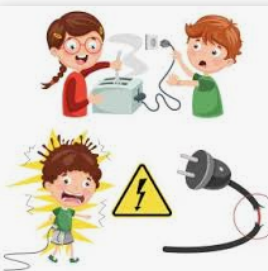
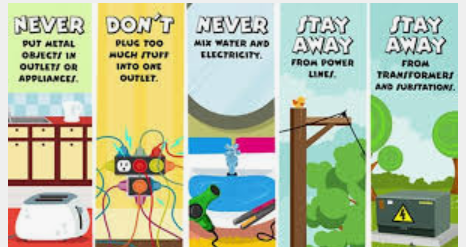
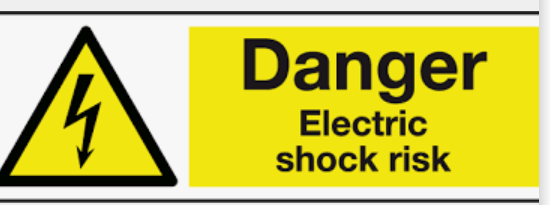
- Look at any electricity poles/pylons/substations/railway lines when you are out and about. Remember the yellow warning triangle is there because the electricity can be dangerous.
- Look at all the batteries in your home and in the garage/shed/car/phone etc. How are batteries identified (AA, AAA, CR3032 …). Which ones are the strongest? Are the strongest also the biggest?
Remember to always be safe around electricity!
Year 3/4 Electricity (Physics)
* Make a list of all the electrical objects you have in each room of your house.
* Create a table of bar chart to show how many electrical appliances you have in each room of your house.
* Sort your list into a Venn diagram – those appliances that produce light or a change in temperature or both.
* Create posters reminding your family to turn off electrical objects when not in use e.g. the lights
* Learn more about your home – Do you have loft insulation? Do you have cavity wall insulation? Do you have solar panels? Do you have low-energy light bulbs? What temperature is your heating set to? Is your heating/hot water on a timer?
* Record the temperature of a room in your house every hour during the day and create a line graph of the result.
* Look at any electricity poles/pylons/substations/railway lines when you are out and about. Remember the yellow warning triangle is there because the electricity can be dangerous.
* Take a reading from your electricity meter and see how much electricity you use in one week. Can you use less the following week?
Year B Autumn Term - Year 3/4 - The Bible

Create a guide of the different types of books in the Bible. You could produce a poster, leaflet, 'How to' or video guide. Write a short Playscript of a parable from the Bible or make a cartoon strip to teach the story to other children.
Year B Autumn Term - Year 5/6 - Buddhism

Create your own Buddharupa. This can be a picture or a sculpture, made from any materials that you wish to use. Why not research the meaning of different poses and hand positions of Buddha prior to creating your Buddharupa, and choose one that you would like to depict.
Create a piece of artwork to portray the Buddhist beliefs of karma and/or rebirth.
Year B Summer Term - Year 3/4 - Food and Religion

We will be discovering the importance of food and fasting in religion, finding out who does this practice and why. Create a menu for a feast fit for a wonderful celebration.
Year B Summer Term - Year 5/6 - Peace

We will be discovering what peace means to different religious groups. Create your own poster to encourage peace and love.
Year B Spring Term - Year 3/4 - What do we know about Jesus?

Create a fact file about Jesus or a biography.
Or create 5 drawings of Jesus that show something about his life or character e.g. Jesus the healer, Jesus the good friend.
Year B Spring Term - Year 5/6 - Stories of Christianity

Choose a favourite parable such as The Good Samaritan, The lost Sheep or The prodigal Son. Either write a newspaper report from the time in a journalistic style, showing good features of reports. Or write a modern version of the parable. Set it nowadays and modernise it but make sure that you stay true to the message and why people believe Jesus told the story.
Year A Autumn Term - Y3/4 - Christianity and what it means to be a Christian

Why not do some of the activities below:
- Interview a Christian and find out about their beliefs.
- Make an information leaflet for a person that knows nothing about Christianity.
- Prepare an assembly / PowerPoint on Christian Festivals and share it with your friends.
- Read a Children's Bible. Find a story from the New Testament and a story from the Old Testament. Draw a scene from the story.
Year A Spring Term - Year 3/4 - Pilgrimage
Why not try to do some of these activities:
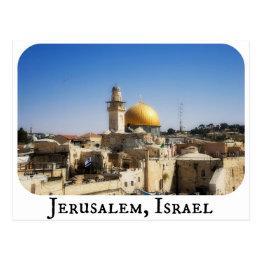
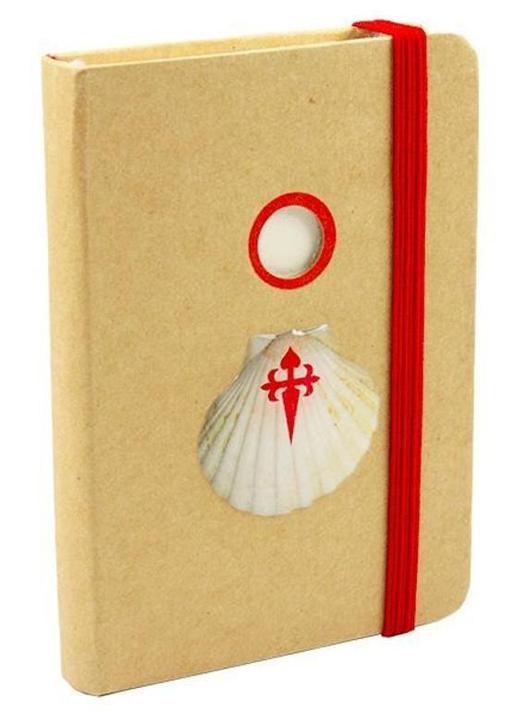
- Design a Postcard for popular places of Pilgrimage e.g. Jerusalem. Think carefully about the 'photo/ image' that might fit on the postcard. You could then imagine that you are writing to friends or family back home and tell them how you are feeling now that you have reached your destination.
- Pretend that you are a pilgrim and keep a diary of your thoughts and feelings as you prepare and then embark on your pilgrimage/ special journey.

Year A Spring Term - Year 5/6 - Worship

Why not do some of these activities:
- Create a piece of art that shows all the things that have 'worth' to you personally.
- Make up your own prayer that focuses on anything that is important to you e.g. caring for nature, tolerance to others or feeling grateful, etc. Illustrate your prayer.
- Listen to some religious music from religions that you know about - record what the pieces are called and how they make you feel.
- Ask for permission to research religious art and try to find out why it was created and who the artist was.
- Ask for permission to watch some Liturgical dance ( scared dance in Christianity). How does it make you feel? Consider why people wish to choreograph and perform it.
- Make a poster about the importance of religious freedom or find out about a person that has fought for religious freedom or been denied it.

Year A Summer Term - Year 3/4 - Islam

They are going to meet Imran Kotwal and he will explain the five pillars of Islam.
Here are some tasks that you could do at home to help you understand the topic deeper:
- Create a leaflet to advertise Imran from the Muslim Learning Centre.
- Design a Muslim Prayer Mat (make sure that you research Muslim patterns and find out more about symbols and calligraphy).
- Prepare and record a Muslim Islam Radio Show (what will you tell your listeners about?)
Remember to share with us at school.
Enjoy!



Year B Autumn Term - Year 3/4 - Bullying

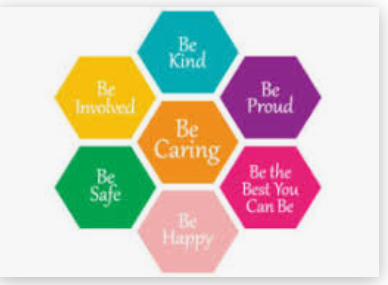
The Year 3/4 children have been learning about bullying and the different forms it can take. Design a stand-up to bullying leaflet or poster to inform people about the impact of bullying.
Create a PowerPoint for an assembly on respect and why it is important to show it.
Year B Autumn Term - Year 5/6 - Peer Pressure

Write a play script about Peer Pressure. Make sure that the characters show how you can avoid situations and protect yourself e.g. using a secret code or telling a white lie.
Create a PowerPoint that you could use in a KS1 assembly about good secrets that you should keep and secrets that you should tell. Make sure that they fully understand how and why some secrets should be shared.
Year B Spring Term - Year 3/4 - One World

Write about how you would change the world to make it a fairer place for all people.
Complete some research on climate change - write some top tips for what can be done at home to reduce the harmful effects of global warming.
Year B Spring Term - Year 5/6 - One World

Choose a habitat and research the biodiversity of it. Find out why it is important that the habitat they have chosen remains diverse and what can be done to protect it.
Design a poster to encourage others to be good citizens.
Year B Summer Term - KS2 - British Values

We will be learning all about what makes Britain great, and the different cultures that make us unique. We will also learn about British laws and Government. At home, write a persuasive letter to convince someone to visit the UK.
Year A Autumn Term - Year 3/4 - Teamwork

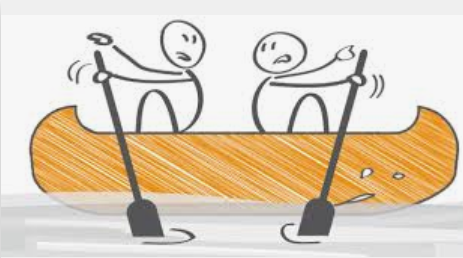
Y3/4 Students will be also learning about teamwork, being considerate and resolving conflicts after October half-term 2020.
Why not try some of these activities:
* Make a poster to explain the top 5 'dos' of good teamwork.
* Think of characters from your reading and favourite stories who are very considerate and draw a scene that shows the character thinking of others and giving careful thoughts to their actions.
* Make a short film/ recording of an argument or fight being resolved by good communication and conflict resolution skills. Remember to plan it first and make sure your message is clear.
Remember to share any of your work and ideas with us at school.
Year A Autumn Term - Year 5/6 - Relationships

Y5/6 students will be learning about 'Relationships' after the October half-term 2020. They will be focusing on qualities of a good team, disagreeing respectfully, compromise and collaboration.
Why not try some of these activities:
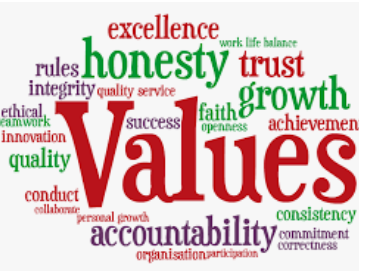
* Considering our House Groups (Red, Green, Blue and Yellow), think of three 'values' that YOUR team must have. Design a logo or poster to remind your team of their values. Share them with us at school.
* Make up a short playscript for an assembly to teach your fellow-students about 'Disagreeing Respectfully.' Bring your script into school and direct your play in an assembly.
* Write an acrostic poem - using the word COLLABORATION - to teach young people about the importance of working together. Remember to show us your wonderful work in school so that we can share it and celebrate your efforts.
Year A Spring Term - Year 3/4 - Think Positive

Create a ‘Feeling Good’ leaflet for 7-9 year olds. Include lots of things that can help your mental health e.g. spending time with friends and family, exercise or sports clubs, new hobbies, enjoying music etc. Add illustrations and make your leaflet attractive. Can you explain in your leaflet why good mental health is important?
Year A Spring Term - Year 5/6 - Think Positive

Make a helpful thoughts PowerPoint that could be used in a KS2 assembly. Explain how good and positive thoughts can really impact on your feelings and behaviours e.g. A helpful thought to I’ve got to do tidy the hall after lunch today could be - I’m being helpful and I get to do it with my friend!
Year A Summer Term - KS2 - Money Matters

Year 3/4 and Year 5/6 are doing a unit in the summer term about Economic Education.
They are finding out that 'Money Matters.'
Y5/6 tasks: Make a poster or a mini-playlet or script (such as a short commercial) to teach people about ethical spending.
Design a board game around the theme of Financial Risk. (Think about Monopoly...)
Y3/4 tasks: Make a board game like snakes and ladders. Snakes for when you make poor spending choices like buying a drink in a single-use plastic bottle and ladders for great spending choices such as buying fair-trade.
Do some research on your family's spending. Help to make some savings. Is there anything you don't need? Is there anything that isn't value for money? What examples of good spending does your family regularly do? Could you collect your information in a table or chart?


Year 3/4 - Activities
To further enhance their French Learning the Y3/4 children could try some of these things:
- Learn the months of the year in French - why not make up a song or look for something online that French children learn to remember their months in order. (remember to always get supervision/ permission when using the internet).
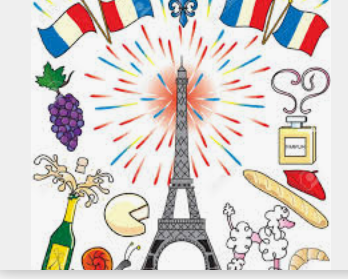
- Find out about important celebrations in France and how the French celebrate them. Make an information leaflet or PowerPoint for other students who don't know anything about them.
- Teach your family three new French words every Monday after the French lesson and make a French word board at home. Maybe draw a picture to help you (and your family) remember it.
Year 5/6 - Activities
To broaden and deepen their French studies the KS2 children can explore some of these tasks:
- Make a French illustrated dictionary for all words associated with school including equipment and subjects e.g. stylo (pen), professeure (teacher/ female), livre (book).
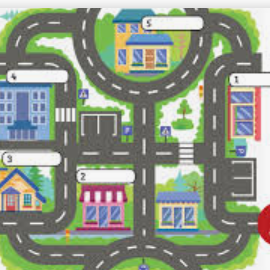
- Draw a real/ imaginary French town or city map and label it is French e.g. le poste de police (police station), bibliotheque (library), sports centre, musee (museum).
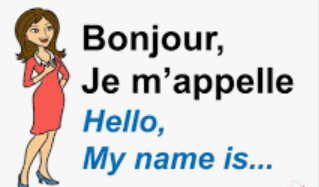
- Do some role play with your family and teach them how to introduce themselves in French and say a few things about who they are e.g. age/ favourite colour/ where they live.
Year 3/4 - Going on a Picnic

Explore and create an information sheet with French vocabulary for items on a picnic.
Year 5/6 - Weather at the Beach

Explore and create an information sheet with French vocabulary for the beach and things you may find there.
Year 3/4 - Animals

Explore and create an information sheet with French vocabulary for a range of animals.
Year 5/6 - Healthy Eating

Explore and create an information sheet with French vocabulary for a range of foods.
YUMU
Using your YUMU login, practice singing the songs that we will be learning in school.
Can you perform the song?
Can you video your performance?
Can you upload and share it with your teacher?
You could teach yourself how to play an instrument using YUMU.
Watch a performance
Watch as many performances as you can - pop, classical, theatre etc.
Year 3/4 Drawing Music

Drawing to sounds and music can be a lovely listening activity, you can invite your child to ‘dance with their hands’ whilst using their crayons, pencils, felt tips, paint brushes, encouraging them to listen to the music and respond to the music through their visual art.
You can explore this with different types of music – watch your child, do the contrasting sections affect how they draw or paint?
Experiment with different types of music, does your child have a preference for pieces of music to draw/paint to?
Year 5/6 - Sounds of Daily Life

Explore the sounds heard on different journeys. For example:
- What does the journey to the park sound like – what may we hear on the way?
- A journey around a supermarket will involve a range of different sounds.
- A journey to school, whether by foot, by bus or in a car will also involve a range of sounds.
Listen out for sounds on journeys and think about how these sounds could be recreated at home?
You could make a piece of music together that represents different types of journeys that you make.
Are there any surprises on your journey and what may this sound like?
Draw a journey and then play this journey by using body percussion, vocals and sound makers in the home.
Year 3/4 - Western Music Genres

Research Western Music Genres and create a PowerPoint or poster all about a specific genre.
Choose a composer/artist/band and create a fact file.
Year 5/6 - Non-western Music Genres

Research Non-Western Music Genres and create a PowerPoint or poster all about a specific genre.
Choose a composer/artist/band and create a fact file.
Year 3/4 - 20th and 21st Century Music
Year 3 and 4 children will be learning about music through the decades from 1920s until present day.

Some ideas for activities at home:
- Listen to a range of music
- Complete a music genre hunt - can the children find music for a number of different genres
- Create a PowerPoint Presentation about Music in the 20th and 21st Century
- Create a book/PowerPoint about a specific artist or band
Year 5/6 - Baroque and Classical Music
Year 5 and 6 children will be learning about Music from the past, including pre-historic music through to the 20th century.

Some ideas for activities at home:
- Listen to a range of music
- Complete a music genre hunt - can the children find music for a number of different genres
- Create a PowerPoint Presentation about Baroque and Classical Music
- Create a book/PowerPoint about a specific artist or band